

ESG Funds Are Often a Bet on AI. It’s Boosting Returns.
Microsoft, a leading A.I. provider, is popular with funds that use environmental, social, and governance factors in investing.
2023-11-22 16:21

Elon Musk jet tracker trolls Twitter owner by joining rival Threads
The setbacks just keep coming for Twitter owner Elon Musk. After outages and daily view limits prompted users to flock to other platforms, and Mark Zuckerberg posted his first tweet in 11 years to savagely roast him, the individual behind the ‘Elon Jet’ account has set up a profile on rival app Threads. The text-based social network, run by Instagram, looks to build “an open, civil place for people to have conversations” and was released to the public on Thursday. As is to be expected, Musk isn’t exactly keen on Threads coming along and scooping up disgruntled Twitter users and has already criticised the app over the type of data it may collect from users. But if Zuckerberg isn’t enough of a headache for the businessman (the Tesla founder has challenged the Meta CEO to a cage fight), then a man who set up a Twitter account to track Musk’s private jet - in real-time, using publicly available data – setting up shop on Meta-managed Threads could well be. Jack Sweeney, who managed the account while studying at the University of Central Florida, soon angered Musk over the initiative, as he claimed the tweeting of public information was “becoming a security issue”. Unable to resist a dig at Musk on Threads, Sweeney created a Threads account on Thursday, with his second post (after the initial announcement) reading: “@Zuck will I be allowed to stay?” At the time of writing, @ElonMuskJet has more than 8,300 followers, and Zuckerberg is yet to comment. In January last year, Musk offered Sweeney $5,000 to take down the account, and when the then teenager got back to him asking for $50,000, the free speech “absolutist” went on to block him on Twitter. Sign up to our free Indy100 weekly newsletter Then, as talk continued to build of the tech mogul finally taking over the social media network, Sweeney tweeted in April that the move “doesn’t mean the end of ElonJet”, sharing links to the bot on other platforms such as Instagram, Facebook and Telegram. After buying Twitter in October – to the tune of $44bn – Musk took just two months to suspend the ‘ElonJet’ Twitter account, changing the platform’s rules to prohibit real-time location sharing. In a move which also saw several journalists temporarily banned, Musk tweeted in December: “Any account doxing real-time location info of anyone will be suspended, as it is a physical safety violation. This includes posting links to sites with real-time location info. “Same doxxing rules apply to ‘journalists’ as to everyone else.” Sweeney’s account was reinstated on the same day it was banned, with Musk making clear that sharing locations “on a slightly delayed basis” is OK as it “isn’t a safety problem”. It was relaunched as ‘ElonJet but Delayed’, with a 24-hour delay affecting tweets, and remains active on the platform to this day. Have your say in our news democracy. Click the upvote icon at the top of the page to help raise this article through the indy100 rankings.
2023-07-06 23:56

Leading IoT Industry Players Bring Implementation of Relay Utilizing LoRaWAN® to Market
CAMARILLO, Calif.--(BUSINESS WIRE)--Sep 19, 2023--
2023-09-19 21:25

Tech Earnings Were Strong. Why Stocks Slipped Into a Correction Anyway.
Generative AI is a high-stakes, no-limit poker game that requires not just capital but also labor—mainly costly coders.
2023-10-29 12:21
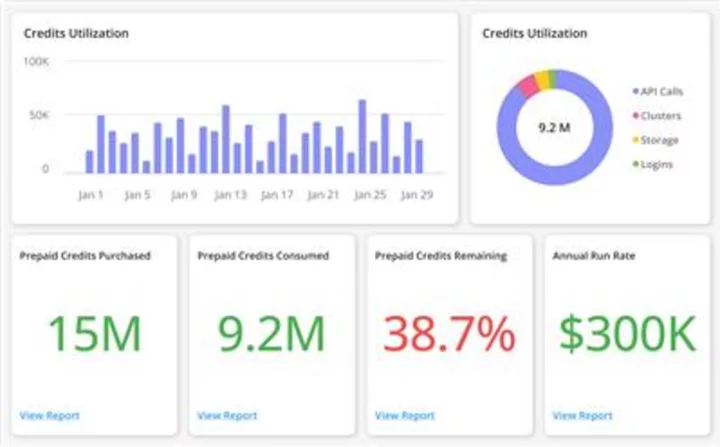
Cloud-Metering and Usage-Based Pricing Startup Amberflo Launches Salesforce App to Help Companies Drive Real-Time Customer Success
SAN FRANCISCO--(BUSINESS WIRE)--Jun 19, 2023--
2023-06-19 22:24

4 ways identity theft can happen to you on vacation — and how to stay protected
Sunburn, food poisoning, lost luggage…there are plenty of things that can ruin a vacation. Thankfully,
2023-06-23 00:55

Exclusive-TikTok in talks to gain Indonesian payments licence
By Stefanno Sulaiman JAKARTA TikTok told Reuters it is in early-stage talks with regulators to obtain a payments
2023-08-04 16:15

Verified Twitter accounts share fake image of 'explosion' near Pentagon, causing confusion
A fake image purporting to show an explosion near the Pentagon was shared by multiple verified Twitter accounts on Monday, causing confusion and leading to a brief dip in the stock market. Local officials later confirmed no such incident had occurred.
2023-05-23 03:50

How to enable Screen Distance in iOS 17 to protect your kid's eyes
Want to make sure your kids aren't holding their phones dangerously close to their eyes?
2023-06-17 18:23
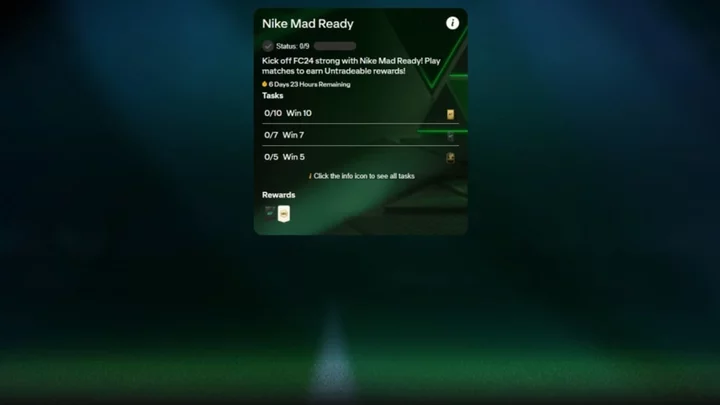
FC 24 Nike Mad Ready Objectives: How to Complete
FC 24 Nike Mad Ready objective set is now available during the FC 24 Ultimate Team Early Access promotion. Here's how to complete the objective set and get a Nike Mad Ready player easily.
2023-09-23 01:46

Epson Perfection V39 II Review
The Epson Perfection V39 II is an upgraded version of the Epson Perfection V39 flatbed
2023-09-15 12:54

More than half of Americans have experienced online hate and harassment, report finds
More than half of all Americans have experienced online hate or harassment within their lifetimes, while reports of online abuse among teenagers and LGBT+ people have surged within the last year, according to an annual survey from a leading civil rights group. The Anti-Defamation League’s fifth annual survey charts a dramatic increase in reports of online hate and harassment among several groups over the last year, including 51 per cent of teenagers between ages 13 and 17 – an increase of 15 per cent from the same point last year. Forty-seven per cent of LGBT+ people, 38 per cent of Black people, and 38 per cent of Muslims have reported online hate and harassment over the last 12 months, according to the report, which calls on Congress, the White House and social media companies to implement stronger protections against online abuse. “We’re confronted with record levels of hate across the internet, hate that too often turns into real violence and danger in our communities,” according to a statement from ADL CEO Jonathan Greenblatt. “The time for talking, and for planning, is long over. It’s time to execute on the priorities set out by the White House and other policymakers, and it’s time for big tech companies to deliver on their promises to reduce hate online.” Reports of online abuse are particularly acute among transgender people; 76 per cent of trans respondents said they have been harassed online within their lifetimes, and more than half experienced such abuse within the previous 12 months – the most among any demographic included in the survey. “Due to the recent proliferation of extreme anti-transgender legislation and rhetoric, ADL sampled transgender individuals separately this year,” according to the report. By the end of May, state lawmakers had introduced more than 500 bills impacting LGBT+ people in 2023, including 220 bills specifically targeting trans and nonbinary Americans, according to an analysis from the Human Rights Campaign. In remarks at the White House earlier this month, President Joe Biden condemned the “totally, thoroughly unjustified and ugly” wave of legislation impacting LGBT+ Americans. A separate report from the ADL and GLAAD discovered more than 350 targeted threats against LGBT+ people within the last year, including online harassment as well as armed protests at drag performances, bomb scares against hospitals that provide gender-affirming healthcare, and other acts of violence, including a mass shooting inside a Colorado Springs LGBT+ nightclub. Incidents targeting drag performers and the people and venues that host them have accelerated across the US, with similar threats surfacing in the UK, according to a separate recent report from the Institute for Strategic Dialogue. The group collected 203 on- and offline threatening incidents within the last year. The ADL’s latest survey of 2,139 people was performed online with the ADL and YouGov from 7 March through 24 March. Read More More than 200 anti-drag attacks documented across US as nation leads global threats to LGBT+ events Ritchie Torres, the only openly gay Black man in Congress, on how he fights GOP ‘bullying’ of LGBT+ people Elon Musk promotes transphobic content as hate speech surges on his far-right platform White House rejects Lauren Boebert’s claim that antisemitism plan will be used ‘go after conservatives’
2023-06-29 00:55
You Might Like...

Autel Energy launches MaxiCharger AC Ultra, world's most powerful AC charger, for European markets

Apple is reportedly working on a ton of new gadgets

Intel to invest $25 billion in Israel factory in record deal, Netanyahu says

Worldcoin scans eyeballs and offers crypto. What to know about the project from OpenAI's CEO

Level Partners With Rejuvenation To Bring Invisible Smart Lock Technology To Timelessly Designed Door Sets

Data protection watchdog warns websites over cookie consent alerts

Acer Swift Go 14 Review

Securiti Named a Worldwide Leader in IDC MarketScape for Data Privacy Compliance Software