
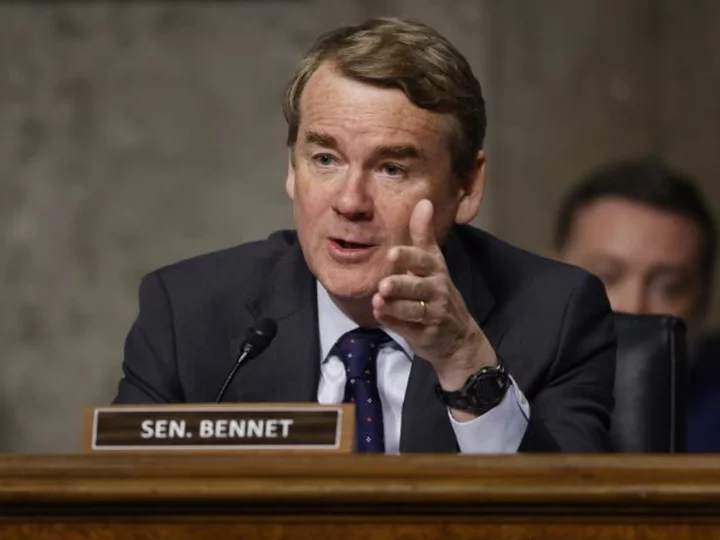
US senator introduces bill to create a federal agency to regulate AI
Days after OpenAI CEO Sam Altman testified in front of Congress and proposed creating a new federal agency to regulate artificial intelligence, a US senator has introduced a bill to do just that.
2023-05-18 17:21

Forza Motorsport Track List
You can find every track available in Forza Motorsport at launch here.
2023-10-10 22:21

‘The Crack Monster’: The 30-Year Search for the Most Unsettling Cartoon on ‘Sesame Street’
In the late 1970s, children were scared out of their wits by an eerie animated short on ‘Sesame Street’ featuring a crack monster. Some believed it never existed. Then things got weird.
2023-05-16 22:27

Save up to $450 on robot vacuums on sale at Best Buy
Robot vacuums can help you delegate your chores so you can spend time on other
2023-05-20 00:19

Capcom's brand new IP Pragmata hit by ANOTHER delay
'Pragmata' has been postponed again with no new release date given.
2023-06-13 20:16

To Clear Activision Deal, Microsoft Says: We've Lost The Console Wars
To overcome the FTC to buy Activision Blizzard, Microsoft has decided to admit defeat in
2023-06-23 01:21

Thousands of teachers protest in Nepal against education bill, shutting schools across the country
Schools for millions of students in Nepal are closed as tens of thousands of teachers protest in the capital against an education reform bill in parliament
2023-09-22 20:53

Rambus Delivers Quantum Safe IP Solutions with Next-Generation Root of Trust for Data Center Security
SAN JOSE, Calif.--(BUSINESS WIRE)--Jul 12, 2023--
2023-07-13 05:21

Automated Weather Insurance Could Offer Help in an Increasingly Hot World
Carlos José Báez experienced the full brunt of Hurricane Maria when it made landfall in Puerto Rico as
2023-07-10 18:47

10 Facts About Strawberry Shortcake
For Gen Xers and elder Millennials, there’s nothing like the scent of Strawberry Shortcake and her dessert-themed friends for bringing back fond childhood memories.
2023-06-14 02:24
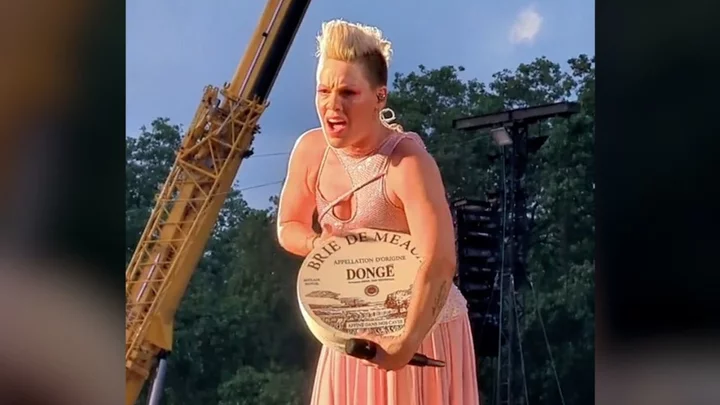
Pink being handed random objects has become an instant meme
Singer Pink has become an instant meme after fans get creative about handing her things during concerts. The foundation for the new meme was laid when a fan at a London festival threw a plastic packet containing their mother’s ashes at the American singer-songwriter, leaving her stunned, saying it was a “first” for her. It was followed up by another viral clip of a fan handing Pink a massive 3kg wheel of brie, which the singer appeared thrilled by. Pink gratefully took the cheese and showed it to the crowd before thanking the fan for the gift and giving them an air hug. The clip has sparked a whole host of new memes as fans have creatively Photoshopped random items in the place of the brie wheel. One person joked: “Fan hands P!NK a dishwasher during her show in London.” Sign up to our free Indy100 weekly newsletter Another said: “A fan hands P!nk a priceless imperial Fabergé egg that had been missing since the fall of the Romanov dynasty in 1917.” “Fan hands P!nk Skinnygirl branded ham during her show in New York,” someone else shared. One Twitter user added: “Fan hands Pink the Dial of Destiny.” It’s not the first time in recent weeks that a performer has been surprised by an object at a show, as singer Bebe Rexha was struck in the face by a phone thrown at her by a fan. Have your say in our news democracy. Click the upvote icon at the top of the page to help raise this article through the indy100 rankings.
2023-06-29 20:52

Confusion as social media believe singer Tom Jones is dead
People were baffled when news broke that Tom Jones had died aged 95, leading many to believe the Welsh singer had passed away. However, it was legendary entertainer Thomas John Woodward, known by his stage name Tom Jones. Awkwardly, social media was flooded with tributes for the Welsh singer, with one Facebook user sharing an attempt to fuel the rumour, writing: "At about 11 a.m. ET on Saturday (August 12, 2023), our beloved singer Tom Jones passed away. Tom Jones was born on June 7, 1940 in Pontypridd. He will be missed but not forgotten. Please show your sympathy and condolences by commenting on and liking this page." Many more people shared photos of the 'Sex Bomb' singer online with RIP messages, but The Voice judge is alive and well. Sign up for our free Indy100 weekly newsletter Tom Jones, who wrote the longest-standing musical to date The Fantasticks, sadly lost his battle with cancer on Friday (11 August). Alongside the late composer Harvey Schmidt, Jones' Broadway musical lasted 42 years after opening in Greenwich Village in 1960. Heartwarming messages and memories soon flooded X (formerly known as Twitter). "One of my fondest college memories was when our choreographer would make us stretch to "Orphan in the Storm". In just under a decade Tom Jones, along with Harvey Schmidt, brought us The Fantasticks, 110 in the Shade, I Do! I Do! and Celebration. Incredible. RIP Tom Jones," one person penned. Another wrote: "RIP to writer/lyricist/director Tom Jones. He's most known for his Broadway musicals The Fantasticks, 110 in the Shade & Celebration. Great music and a wonderful legacy. Thank you, Mr. Jones." Have your say in our news democracy. Click the upvote icon at the top of the page to help raise this article through the indy100 rankings.
2023-08-15 18:16
You Might Like...

Microsoft seeks changes at OpenAI; former CEO Altman in talks to return -Bloomberg News

CRN Spotlights Twenty-Four Ingram Micro Executives on the 2023 Women of the Channel List; Honors Three to Power 100

X Corp sues anti-hate campaigners over Twitter research

Dutch Watchdog Wants to Know How ChatGPT Handles Personal Data
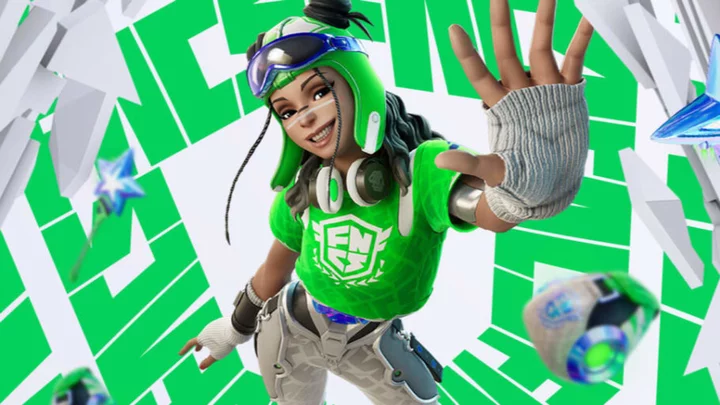
When is the Next Fortnite World Cup?

Greta Thunberg Pleads Not Guilty to London Oil Protest Offense

White House tasks hackers with breaking ChatGPT
Is Makarov Returning in Modern Warfare 3?