

Not all iPhones will get iOS 17. Is yours compatible?
Apple revealed iOS 17 at its 2023 Worldwide Developers Conference on Monday, detailing updates such
2023-06-06 11:57

Many adults would struggle to understand video-sharing platforms’ rules – Ofcom
Many adults would struggle to understand the terms and conditions for using video-sharing apps, making them particularly unsuitable for children, Ofcom has found. The regulator calculated that the T&Cs set by six platforms – BitChute, Brand New Tube, OnlyFans, Snapchat, TikTok and Twitch – required advanced reading skills to understand, making them unsuitable for many users, including children. At nearly 16,000 words, OnlyFans had the longest terms of service, which would take its adult users more than an hour to read, the regulator said. This was followed by Twitch (27 minutes, 6,678 words), Snapchat (20 minutes, 4,903 words), TikTok (19 minutes, 4,773 words), Brand New Tube (10 minutes, 2,492 words) and BitChute (8 minutes, 2,017 words). Ofcom calculated a ‘reading ease’ score for each platform’s terms of service, finding that all but one was “difficult to read and best understood by high-school graduates”. Twitch’s terms were found to be the most difficult to read, while TikTok was the only platform with terms of service that were likely to be understood by users without a high school or university education – although the reading level required was still higher than that of the youngest users permitted on the site. Ofcom also found that Snapchat, TikTok and BitChute use “click wrap agreements”, which make acceptance of the terms of service implicit in the act of signing up. Users are not prompted or encouraged to access the terms of service and so it makes it easier to agree to them without actually opening or reading them. The regulator said its regulation of video-sharing platforms was important in informing its broader online safety regulatory approach under the Online Safety Bill, which it expected to receive royal assent later this year. Jessica Zucker, online safety policy director at Ofcom, said: “Terms and conditions are fundamental to protecting people, including children, from harm when using social video sites and apps. “That’s because the reporting of potentially harmful videos – and effective moderation of that content – can only work if there are clear and unambiguous rules underpinning the process. “Our report found that lengthy, impenetrable and, in some cases, inconsistent terms drawn up by some UK video-sharing platforms risk leaving users and moderators in the dark. “So today we’re calling on platforms to make improvements, taking account of industry good practice highlighted in our report.” A Snapchat spokeswoman said: “As Ofcom recognises, we have a number of good-practice measures in place, including using reading-ease tools to regularly review language. “We are in the process of updating our guidelines, including adding more information about moderation and what content is and isn’t allowed. We will continue to gather feedback and work with Ofcom to ensure our rules are easy to understand.” BitChute said: “BitChute welcomes users and creators aged 16 and older from all backgrounds to exercise their individual freedoms to share and consider the widest possible variety of experiences and viewpoints. Therefore, it is essential for us to provide transparency and accessibility. “We look forward to reviewing Ofcom’s report with an eye for possible improvements.” Read More Charity boss speaks out over ‘traumatic’ encounter with royal aide Ukraine war’s heaviest fight rages in east - follow live Oxford scientists find no evidence to suggest Facebook not good for wellbeing Ozzy Osbourne PlayStation tweet which failed to reveal link to Sony banned Harry and Meghan ring young online innovators after funding awards
2023-08-09 14:18

Founder of bankrupt crypto lender Celsius must face NY fraud lawsuit
By Jonathan Stempel NEW YORK (Reuters) -Alex Mashinsky, the founder and former chief of the now-bankrupt cryptocurrency lender Celsius Network,
2023-08-05 07:57
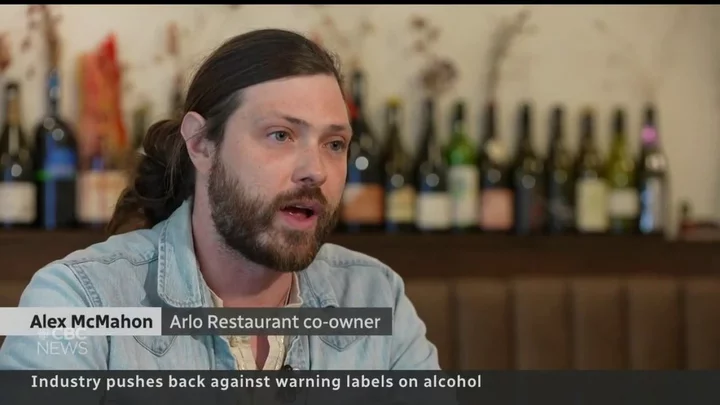
Alcohol consumption can ‘increase risk of developing 60 diseases’
Bad news for boozers - alcohol is linked to more than 60 diseases. According to new Oxford University research published Thursday in the journal Nature Medicine, even occasional drinkers were at a higher risk for certain conditions, including more than 30 illnesses not previously linked to alcohol. The researchers studied the effects of alcohol on 512,000 men and women in China for 12 years. 41 per cent of those studied were man and they were all recruited from 10 areas across China and drank at different frequencies. “Alcohol consumption is adversely related to a much wider range of diseases than has previously been established, and our findings show these associations are likely to be causal,” lead study author Pek Kei Im, a research fellow at Oxford Population Health, said in a statement. Sign up to our free Indy100 weekly newsletter 28 ailments the researches found had already been tied to drinking, such as esophageal cancer, liver disease and diabetes. The remaining 33 had not been established as drinking-related illnesses, including stomach and lung cancers, gastric ulcers and gout. “It is becoming clear that the harmful use of alcohol is one of the most important risk factors for poor health, both in China and globally,” said senior study author Iona Millwood, an associate professor at Oxford Population Health. Have your say in our news democracy. Click the upvote icon at the top of the page to help raise this article through the indy100 rankings.
2023-06-10 15:48
Coinbase launches nonprofit crypto advocacy group
Coinbase is launching an independent nonprofit organization for advancing pro-crypto legislation through Congress, hoping to build on recent legislative and legal wins for the digital asset industry.
2023-08-15 00:17

Musk Says Tesla to Spend Over $1 Billion on Dojo Supercomputer
Tesla Inc. is sparing no expense to become a player in supercomputing, with Elon Musk saying the electric
2023-07-20 07:58
Microsoft Outlook users hit with Monday morning outage
Thousands of Microsoft Outlook users reported issues accessing their email accounts on Monday morning.
2023-06-06 00:29

Andrew Tate: Misogynistic influencer backs Alex Jones' views, says government wants to make children gay
Andrew Tate posted on a new alt-tech social media platform supporting Alex Jones' conspiracy theory of chemicals being used to turn people gay
2023-06-06 15:54

Twitter Chaos Continues: Elon Musk Limits Daily Tweet Views, Even for Paying Users
Twitter today introduced a novel and surprising feature for a social network: mandatory rationing. Owner
2023-07-02 05:19

When is Madden 24 Mobile Coming Out?
Madden 24 Mobile comes out on Thursday, Aug. 10 on all iOS and Android devices with new modes and features, including First Snap.
2023-08-10 01:56

Musk’s X Sues Non Profit That Tracks Hate Speech Over Report
Elon Musk’s X Corp. sued a nonprofit group that monitors online hate speech, accusing it of falsely describing
2023-08-01 13:59

iOS 17: Apple adds host of new features to iPhone with new software update
Apple has revealed iOS 17, with a host of new features for the iPhone. The new update includes updates to central apps, including Messages, FaceTime and the Phone app. It also adds a new app, in the form of “Journal”, which Apple says will help people practise gratitude. The new update also tweaks other parts of the iPhone experience, including AirDrop. Now users will be able to share more information through it – including contact details – and transfers will happen when users go out of contact. :: Follow The Independent’s live coverage of Apple’s event here
2023-06-06 01:56
You Might Like...

How to watch the World Series of Darts Finals 2023 online for free

Rae Sremmurd & SCORD Announce SREMM4LIFE Video Game Challenge

Perfect Corp. to Showcase Game-Changing Generative AI Technologies at the 2023 Global Beauty & Fashion Tech Forum

The Best Antispyware Software for 2023

Gastro Care Partners Chooses ModMed to Help Accelerate its Operational Excellence
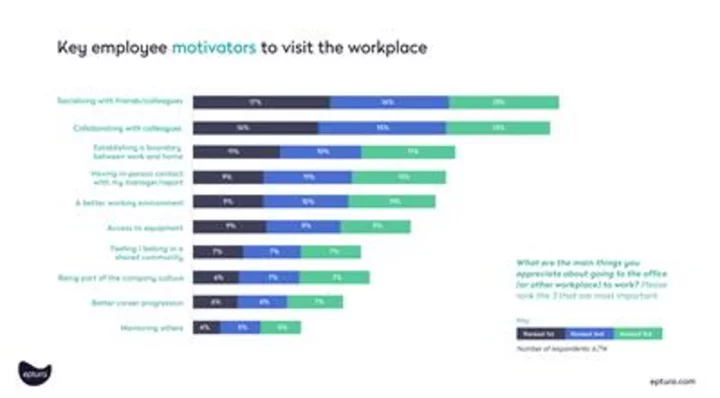
Eptura’s Q2 Workplace Index Reveals Employees Rank Socialization and Collaboration as Top Motivator to Work from Office

Amazon to launch drone deliveries in Italy and UK in late 2024

Who is Fousey? YouTuber informs Adin Ross during live stream that his sister Naomi Ross was interested in him: 'She replies to my story'