

What is digital domestic abuse?
If you're on social media, you're likely very aware of potential online abuse and harassment
2023-08-22 22:49

Madden 24 Pre-Order Bonuses
If you're curious about what each Madden NFL 24 Edition has to offer, you've come to the right place.
2023-07-11 01:58
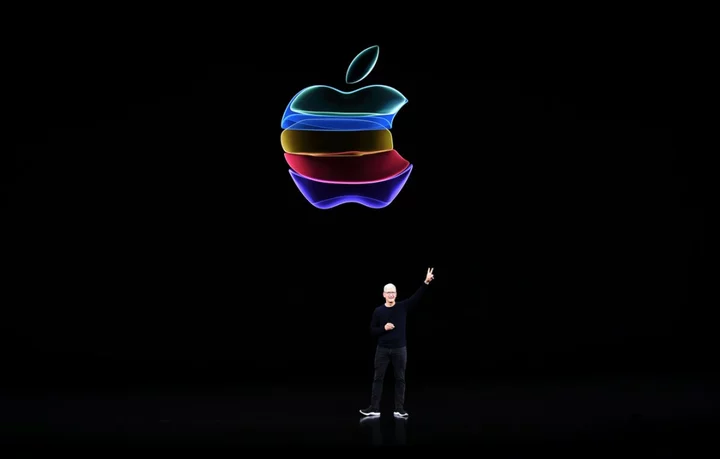
Apple says its ecosystem is worth more than a trillion dollars a year ahead of major event and headset reveal
Apple says that its App Store has helped generate more than a trillion dollars for the first time, just days ahead of its major developer event. The App Store ecosystem facilitated $1.1 trillion in developer billings and sales last year, according to an independent study from The Analysis Group and commissioned by Apple. That is the result of rapid growth over recent years: that number rose 29 per cent on last year, and by 27 per cent in each of the two years before that. Those increases were partly a result of an increase in the apps that people use as the world opens up, such as taxi services, the report said. Apple’s announcement came just days ahead of its Worldwide Developers Conference, which begins on Monday. That is likely to see a whole new platform for developers to build apps for, with the launch of its new augmented reality headset. The report also comes amid increasing criticism over Apple’s power over the App Store, which is the only way to get apps onto the iPad and iPhone. Critics have argued that control means that Apple is able to make unfair demands on developers, including taking a cut from some sales made within apps and deciding what apps are available. Apple has commissioned a number of such reports in recent years, aimed at highlighting the economic impact of the App Store and the positive effects that can have for developers. The new report focused not on the money made by Apple, or through the store. Instead, it aimed to quantify how much money is made through the ecosystem built around the App Store, which includes billings and sales that are made through apps but without Apple’s involvement. More than 90 per cent of the billings and sales went specifically to the developers, with Apple not taking a cut, the report said. While Apple takes a cut from the sale of apps and digital goods and services within those apps, companies selling physical goods and other services are able to keep the full amount. Of the $1.1 trillion made last year, App Store developers generated $910 billion in total billings and sales from the sale of physical goods and services, $109 billion from in-app advertising, and $104 billion for digital goods and services, Apple said. Last year, that came particularly from travel apps and ride-hailing. Travel sales on iOS were up 84 per cent last year, the report said. It was not possible to say how much of that gain was the result of the world opening back up after lockdowns and other issues, compared with the specific work of Apple and those App Store developers, economists from Analysis Group said. The report also comes on the 15th anniversary of the App Store, which was launched in 2008. Apple said that iOS developers have earned more than $320 billion on App Store in those 15 years. “We’ve never been more hopeful about — or more inspired by — the incredible community of developers around the world,” said Tim Cook, Apple’s CEO. “As this report shows, the App Store is a vibrant, innovative marketplace where opportunity thrives, and we’re as committed as ever to investing in developers’ success and the app economy’s future.” Read More Major leak reveals details of Apple’s VR headset days before unveiling Apple is going to reveal something else alongside its headset, rumours suggest Trust and ethics considerations ‘have come too late’ on AI technology New iPhone update ‘completely changes how the lock screen works’ Apple lays bare danger of losing your health data Apple is making a ‘mixed reality’ headset. Here’s what that future might look like
2023-06-01 01:24
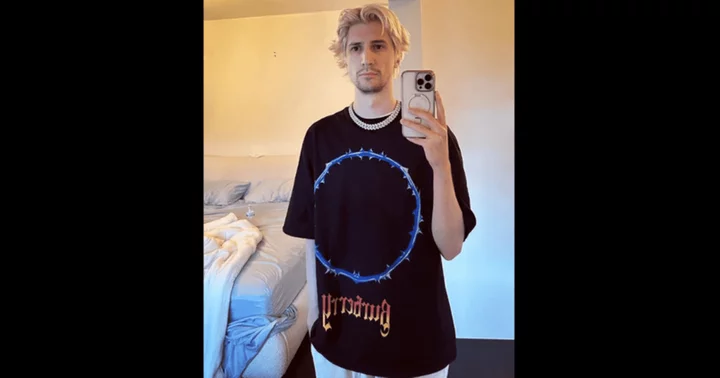
xQc suggests new idea to avoid unwanted drama amid react saga, Internet says ‘don’t think it will ever happen’
Some popular streamers in the world have recently come under fire for their reaction-based material
2023-08-07 15:57

Vimeo CEO Sud to Step Down; Adam Gross Named Interim Chief
Vimeo Inc. Chief Executive Officer Anjali Sud will step down from her position at the business video software
2023-07-06 04:27

Core Scientific, Inc. Appoints Adam Sullivan as CEO to Lead the Company’s Next Phase of Growth
AUSTIN, Texas--(BUSINESS WIRE)--Aug 4, 2023--
2023-08-04 21:27

ZincFive Wins Mission Critical 2023 Top Tier Product Award in the UPS Category
PORTLAND, Ore.--(BUSINESS WIRE)--Aug 11, 2023--
2023-08-11 22:29
EU decision clearing $69 billion Microsoft, Activision deal expected May 15, sources say
By Foo Yun Chee BRUSSELS EU antitrust regulators are set to approve Microsoft Corp's $69 billion acquisition of
2023-05-11 00:24

China-based hackers breached Western European government email accounts, Microsoft says
A China-based hacking group has broken into email accounts linked to government agencies in Western Europe, Microsoft Corp. said this week
2023-07-12 16:58
Russia fines Zoom $1.18 million for operating without local office -RIA
MOSCOW A Russian court on Tuesday fined Zoom Video Communications 115 million roubles ($1.18 million) for operating without
2023-10-17 18:46
TikTok to Moderate Content in Kenya After Petition on Morality
TikTok agreed to moderate content carried on the popular social-media platform in Kenya, the East African nation’s president
2023-08-24 18:49
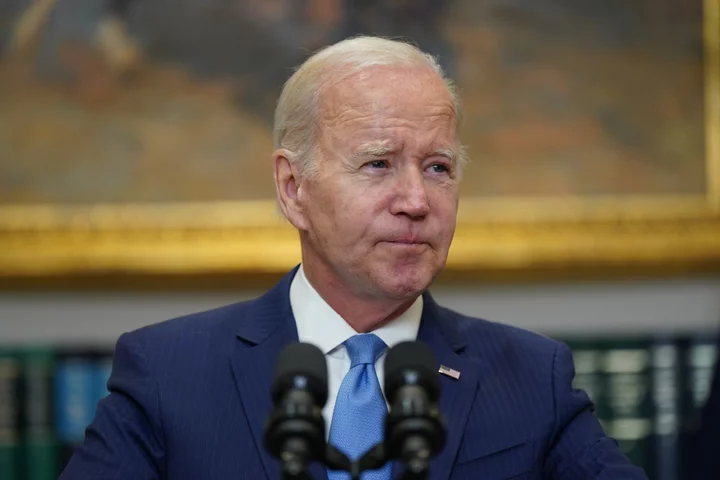
Biden Names FCC Picks, Pushes for Democratic Majority at Deadlocked Agency
President Joe Biden moved to lock in his first Democratic majority at the Federal Communications Commission, naming veteran
2023-05-23 05:54
You Might Like...

NewLink and Dubai Chambers Forge Strategic Partnership to Support Bilateral Innovation Exchange and Collaboration

The Best Pre-Prime Day Kindle Deals
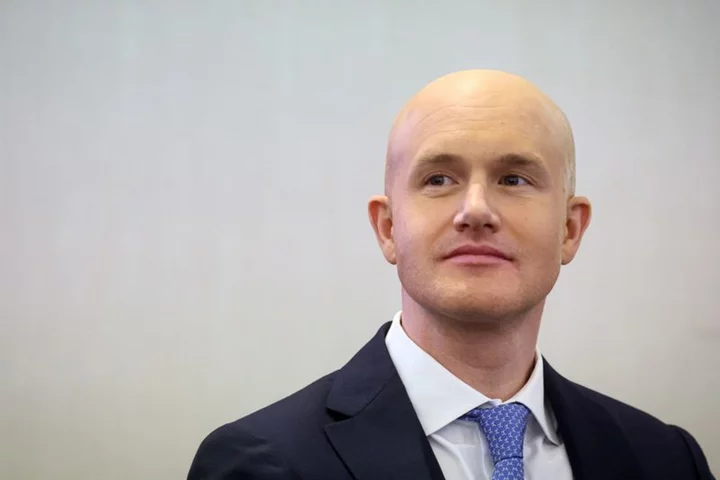
Coinbase CEO to meet US House Democrats on Wednesday - Bloomberg News
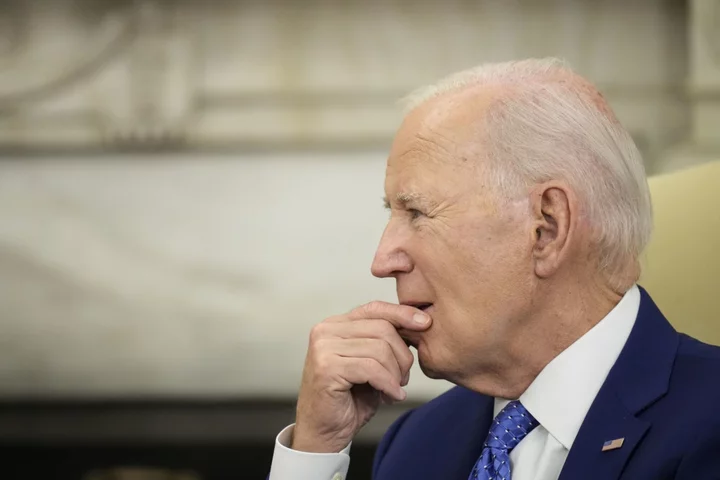
Toyota, Stellantis Blast Biden’s Plan to Boost Electric Car Sales

Scientist discovers oldest water on Earth and drinks it
TikTok announces a new way to pay its creators

New Jersey utilities float solar panels on reservoir, powering water treatment plant
Netflix Makes It Easier to Find Bookmarked Content You Haven't Watched Yet