

Cybersecurity Firm Blasts Microsoft for Slow, Incomplete Bug Patches
A cybersecurity firm is calling out Microsoft for allegedly taking too long to patch a
2023-08-04 00:27

Bitcoin saved from dismal August by landmark Grayscale ruling
By Tom Wilson LONDON (Reuters) -Bitcoin's gains from a U.S. court ruling that bolsters future prospects for retail investor-friendly funds
2023-08-30 01:46

Warzone Secret ISO Hemlock Attachment Kills in Milliseconds
The ISO Hemlock AR in Warzone Season 5 now kills in just 872 milliseconds thanks to buffed .300 Blackout ammunition and zero recoil.
2023-08-17 03:19

'Sister Wives' star Meri Brown sparks dating rumors over cryptic post about 'best friend' Blair M Struble
'Sister Wives' star Meri Brown is spending a lot of time with her best friend Blaie M Struble
2023-06-06 13:29
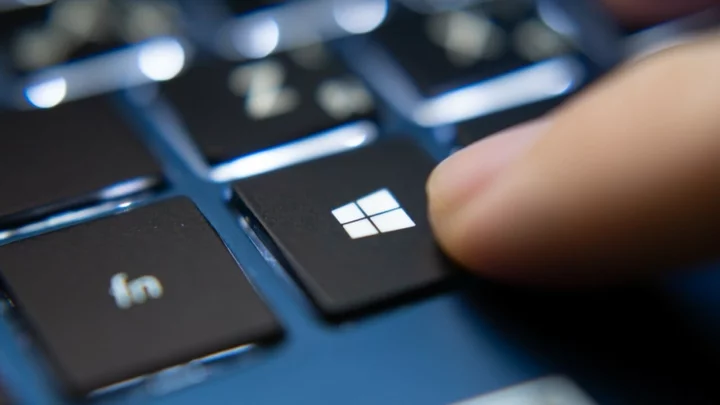
Who Needs Windows 11? Try These Hidden Tricks to Get More From Windows 10
Windows 11 is the latest and greatest operating system from Microsoft, but it will be
2023-09-05 22:54

Leap Launches New California Grid Services Program to Drive Revenue for Battery Storage Systems
SAN FRANCISCO--(BUSINESS WIRE)--Jul 27, 2023--
2023-07-28 04:55

Your paycheck could clear faster now that the FedNow instant payment service for banks has launched
The Federal Reserve has launched a new instant payment service that allows banks and credit unions to sign up to send real-time payments so they can offer customers a quicker way to send money between banks
2023-07-20 22:49
Only 10 per cent of people on Earth can find the hidden objects in these four puzzles
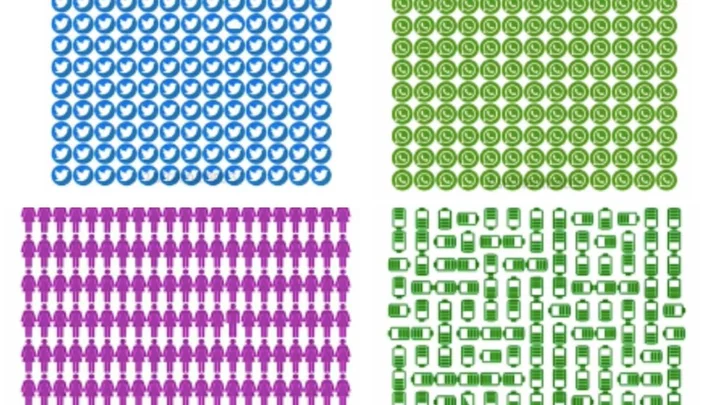
A TikTok test is challenging users on how quickly their brains can work and only 10 per cent of people can complete it. Brain teasers are a fun way to test how agile your mind can be and one test on TikTok is pushing that to the limit by asking users to find the odd object out within just seven seconds. It was shared online by TikToker @cloutatlas who explained it was a test to “see how fast your visual reflexes are” and how quickly your brain can spot “unfamiliar” images in a pattern. They explained, “Only 10 per cent of people on the planet can get all four stages in seven seconds”. Luckily, the answer is provided after seven seconds of viewing time. The first of four images to appear was a 13 x 10 grid of Twitter logos. But, instead of a bird, one of the “logos” was actually a cloud. Sign up to our free Indy100 weekly newsletter @cloutatlas This is a test to see how fast your visual reflexes are. #foryou #test #reflex #brainteaser #braingames @cloutatlas @cloutatlas @cloutatlas Next, arranged in the same grid shape were 21 x 7 purple female bathroom signs, but one male sign was disguised among them. These were followed by a grid of WhatsApp logos and finally an arrangement of battery symbols. The video has been viewed over 31 million views and people in the comments revealed how they got on. One person wrote: “All of them. The second one was the hardest for me. The last one was the easiest.” Someone else said: “3/4 didn’t get the second one.” “Didn’t find the 1 and 2 but 3-4 I got quick,” said another. Have your say in our news democracy. Click the upvote icon at the top of the page to help raise this article through the indy100 rankings.
2023-05-19 23:23
Burnley FC uses The Teletubbies to unveil new signing in another incredible parody
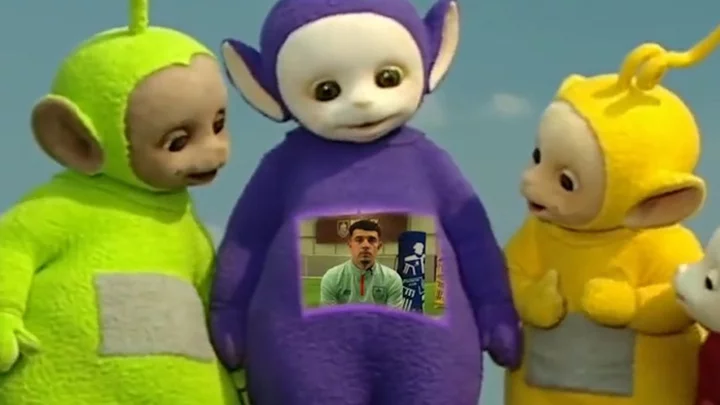
Burnley FC's latest signing announcement has attracted the attention of football fans (no matter what club they support), after the team went to the effort of creating a Teletubbies reboot. As the iconic characters line up, Tinky Winky's tummy screen begins to light up, exciting the other Teletubbies. Then, on the screen, the new signing is revealed as none other than 22-year-old Switzerland forward, Zeki Amdouni, from Basel. It's not their first exciting transfer announcement either. In the past, they've treated fans to parodies using the likes of Shrek and Gavin and Stacey. Sign up to our new free Indy100 weekly newsletter
2023-07-20 16:57
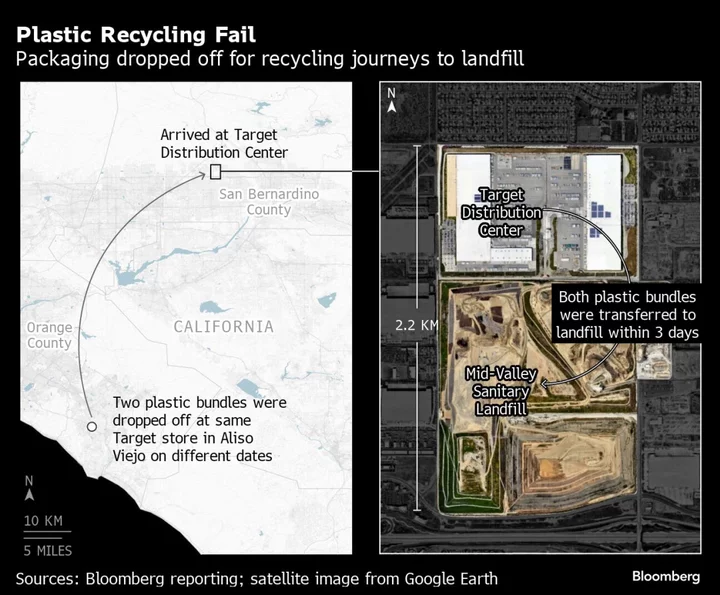
Don’t Trust Plastic Snack Wrappers With Recycling Instructions
The former teen idol Zac Efron is riding a skateboard, and then he’s dressed for some reason in
2023-09-29 21:49
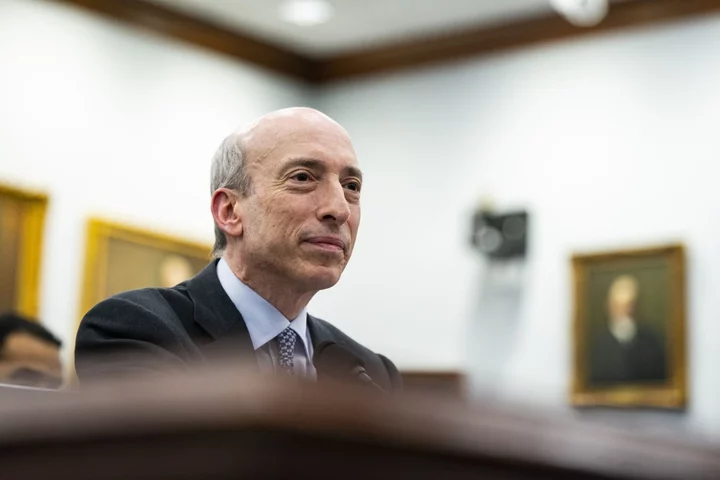
SEC’s Gensler Warns AI Risks Financial Stability
Wall Street’s top regulator says the proliferation of artificial intelligence means governments will probably have to overhaul regulations
2023-07-18 01:24
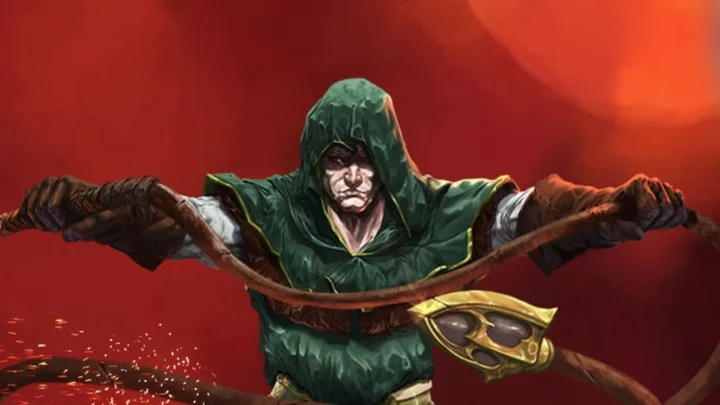
Vampire Survivors Evolve List
Here's a complete list of evolved weapons in Vampire Survivors.
2023-06-29 01:30
You Might Like...

Snap shares fall on softer Q3 outlook as app tries to revamp ads

Biden's student loan forgiveness program was rejected by the Supreme Court. Here's what borrowers need to know

The FDA Has Just Given Rare Approval to a New Alzheimer's Drug, Leqembi—Here's What We Know So Far
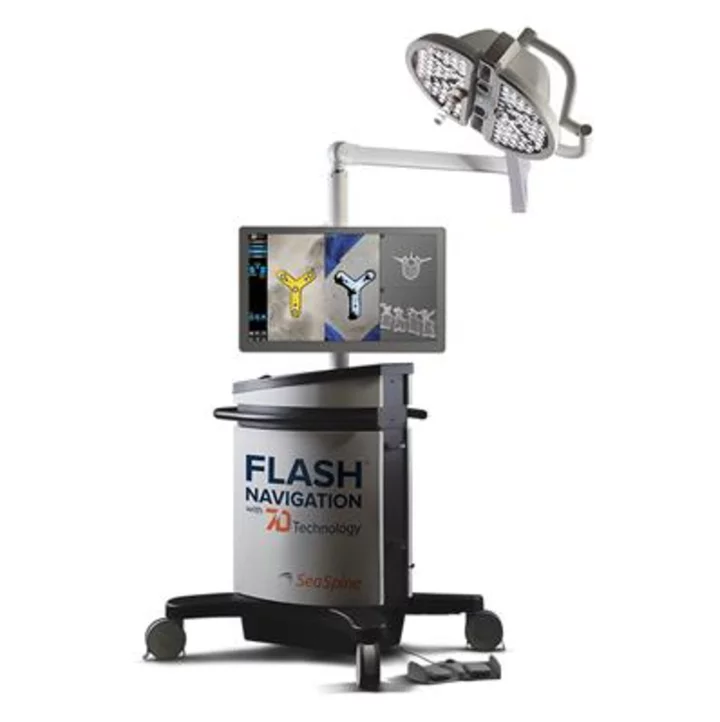
Orthofix Announces First Cases and Full Commercial Launch of the 7D FLASH Navigation System Percutaneous Module 2.0 for Minimally Invasive Surgery

Commerzbank receives crypto custody licence in Germany
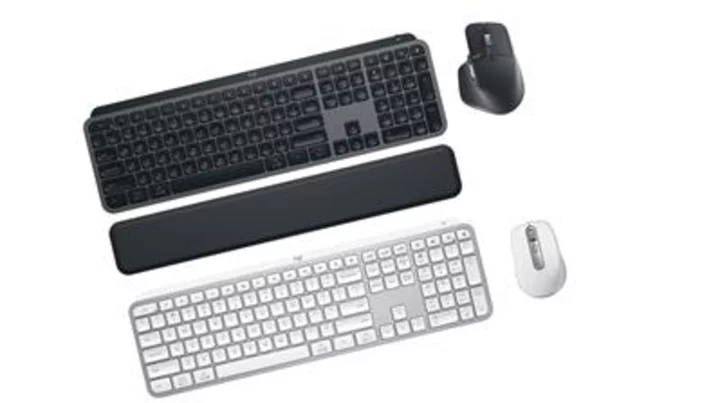
Logitech Offers First Ever MX Keyboard Combo with New Software to Increase Flow and Productivity

Did Olivia Dunne delete her gymnastics photos? Unveiling the details of her photoshop controversy

Sony's PSVR 2 is marginally outselling the original headset