
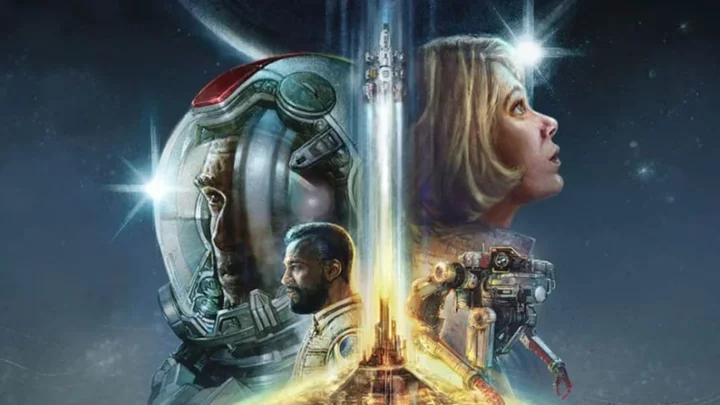
Is Starfield Getting DLC?
Players can't get enough of Starfield. Find out if the game will get DLC.
2023-09-19 01:54

How to watch extra content on Crunchyroll for free
SAVE 49%: Access extra Crunchyroll content with ExpressVPN. A one-year subscription to ExpressVPN is on
2023-08-10 12:25

CyrusOne Promotes Jim Roche to Senior Vice President of Engineering
DALLAS--(BUSINESS WIRE)--Sep 6, 2023--
2023-09-06 21:49

Who is Fuslie? YouTuber buys PewDiePie's hand-drawn painting at record-breaking price, fans call it 'tattoo material'
Fuslie wasted no time and placed an initial offer of $10,000 for the famous YouTuber's painting
2023-07-04 19:25

XDefiant Open Beta Twitch Drops: How to Get
The XDefiant Open Beta Twitch Drops, featuring two weapon skins, are now available for viewers to earn and claim as they watch streamers play XDefiant.
2023-06-22 01:22

Automated Truck by IVECO and Plus Now on Public Roads in Germany
TORINO, Italy & SANTA CLARA, Calif.--(BUSINESS WIRE)--Jul 6, 2023--
2023-07-06 20:20
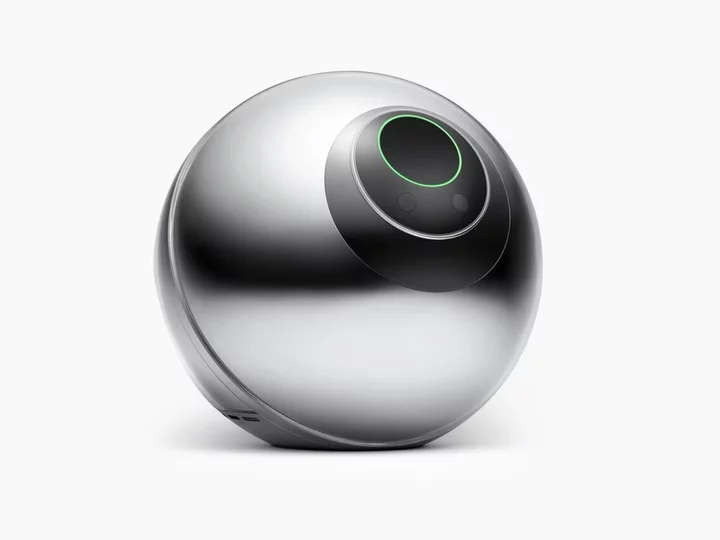
ChatGPT creator launches bitcoin rival that scans people’s eyeballs
The creator of the hugely popular AI bot ChatGPT has launched a controversial project that offers users a free share of cryptocurrency in exchange for their biometric data. Nearly four years after founding Worldcoin, OpenAI boss Sam Altman announced on Monday that the crypto wallet and app is now available in countries where it is not banned for regulatory or legal reasons. More than 1.5 million people signed up to the venture prior to its official launch, each receiving a share of Worldcoin tokens in exchange for scanning their iris using a silver orb developed by the startup. The biometric data was used to verify each individual’s “unique personhood” and ensure that no one signed up more than once. Each person will now be able to use the Worldcoin token, which is currently valued at $2.59 (£2), according to CoinMarketCap, having begun trading on Monday just below $2. Worldcoin (WLD) is similar to other cryptocurrencies like bitcoin, in that it uses blockchain technology to enable digital transactions. According to its website, people can use it for “remittances, [to] tip artists, [and] buy and sell goods and services”. The main differentiator is the way that users sign up, with privacy advocates warning that it could lead to a black market of people’s iris scans. Worldcoin has defended its technology by claiming that its orb is only used to check that a person is unique and has not signed up before. The startup’s website states: “We don’t want to know who you are, just that you are unique”. Worldcoin co-founder Alex Blania wrote in a note published on Monday that he believed Worldcoin “could drastically increase economic opportunity, scale a reliable solution for distinguishing humans from AI online while preserving privacy, enable democratic processes, and eventually show a potential path to AI-funded universal basic income.” He added: “Worldcoin is an attempt at global scale alignment, the journey will be challenging and outcome is uncertain. But finding new ways to broadly share the coming technological prosperity is a critical challenge of our time.” Worldcoin does not list the countries in which it operates – The Independent has reached out for further information – though it is not yet available in Mr Altman’s native US. The startup founder was only able to sign up himself on a trip to Europe earlier this year. “Like any really ambitious project, maybe it works out and maybe it doesn’t, but trying stuff like this is how progress happens,” Mr Altman tweeted following Worldcoin’s launch. “In either case, we especially love our haters, it gives us energy, please keep it coming.” Read More What is superintelligence? How AI could wipe out humanity – and why the boss of ChatGPT is doomsday prepping How bad is bitcoin for the environment really? Crypto experts discuss bitcoin price predictions What is Solana? The crypto rising 200-times faster than bitcoin
2023-07-24 22:29
Metatime Has Successfully Secured a Total Investment of $25 Million to Date for Its Blockchain Ecosystem
NEW YORK--(BUSINESS WIRE)--Jun 22, 2023--
2023-06-23 08:58
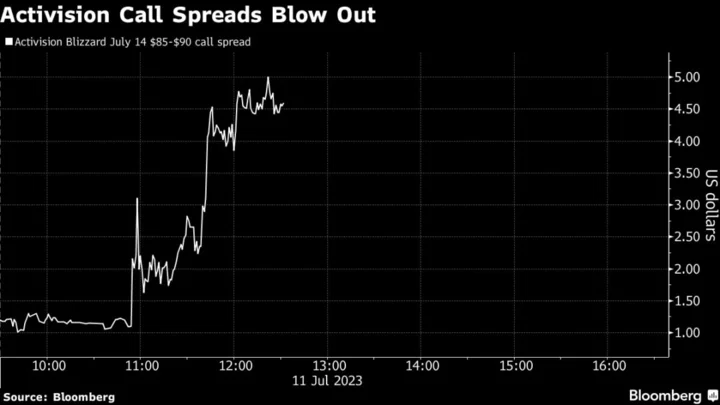
Activision Options Bet Pays 246% in an Hour After Merger Cleared
One trader made a well-timed bet that Microsoft Corp.’s $69 billion bid to acquire Activision Blizzard Inc. would
2023-07-12 01:50

SEC sues Coinbase, Binance crypto exchanges, alleging sale of unregistered securities
These past 12 months haven't been very good for cryptocurrency. These past two days have
2023-06-07 02:18
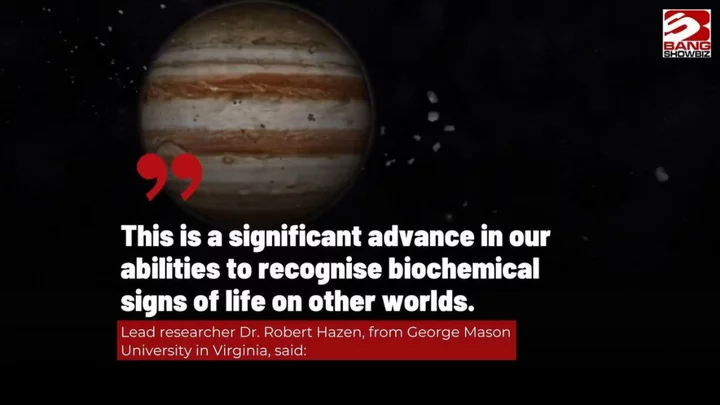
Scientists are using AI to develop simple test to search planets for alien life
Scientists are using AI to search planets for alien life. Researchers writing in the Proceedings of the National Academy of Sciences say artificial intelligence can determine with 90 per cent accuracy whether a sample from another planet is biological or not. Scientists hope that their test could be used on samples already collected by the Mars Curiosity rover’s Sample Analysis at Mars (SAM) instrument. The findings could also help tell us more about our own planet, revealing the history of mysterious and ancient rocks found on Earth. “The search for extraterrestrial life remains one of the most tantalizing endeavors in modern science,” said lead author Jim Cleaves of the Earth and Planets Laboratory, Carnegie Institution for Science, Washington, DC. “The implications of this new research are many, but there are three big takeaways: First, at some deep level, biochemistry differs from abiotic organic chemistry; second, we can look at Mars and ancient Earth samples to tell if they were once alive; and third, it is likely this new method could distinguish alternative biospheres from those of Earth, with significant implications for future astrobiology missions.” The technique was built by giving an artificial intelligent system data about 134 known samples, with information about whether they are biotic or abiotic. To test it, it was then given new samples – including those from living things, remnants of ancient life and other abiotic samples that did not point to life, such as pure chemicals. The system also started predicting another kind of sample type, dividing the biotic ones into “living” and “fossils”. That means it could tell the difference between a freshly harvested leaf and something else that died long ago, for instance. In the future, the technology could become even more advanced and detect other aspects of life. “This routine analytical method has the potential to revolutionize the search for extraterrestrial life and deepen our understanding of both the origin and chemistry of the earliest life on Earth,” said Robert Hazen, of the Carnegie Institution for Science, one of the leaders of the research. “It opens the way to using smart sensors on robotic spacecraft, landers and rovers to search for signs of life before the samples return to Earth.” Sign up to our free Indy100 weekly newsletter Have your say in our news democracy. Click the upvote icon at the top of the page to help raise this article through the indy100 rankings.
2023-10-06 20:49
FTC Loses Appeal Bid to Block Microsoft-Activision Deal
A US appeals court denied a Federal Trade Commission bid to pause Microsoft Corp.’s acquisition of Activision Blizzard
2023-07-15 08:16
You Might Like...

'I'm not her enemy': Chrishell Stause claps back at 'Selling Sunset' co-star Amanza Smith's slander
Apple Watch update finally brings feature new buyers have been waiting for
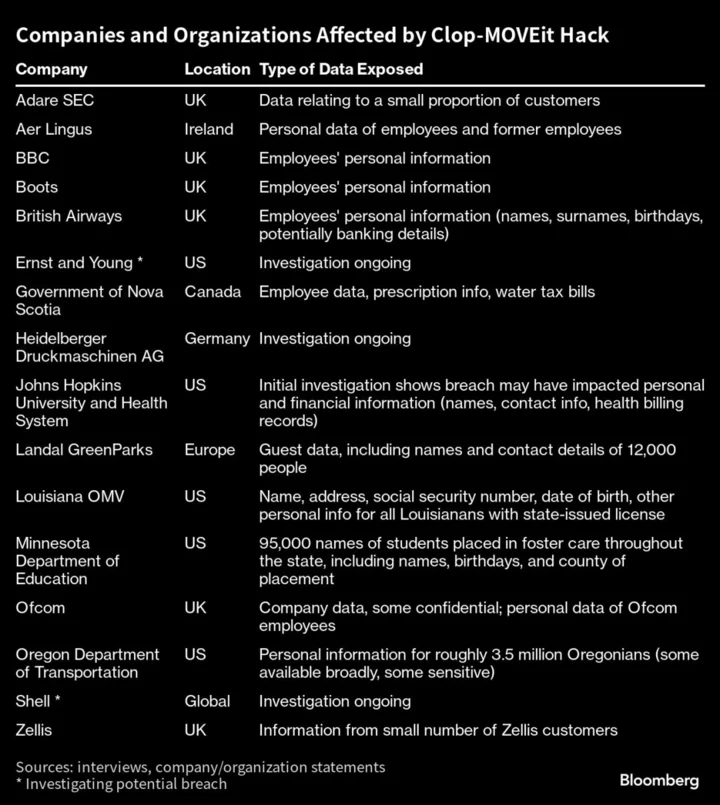
Ransomware Gang Haunted US Firms Long Before MOVEit Hack

Ubisoft shares long-awaited update on Prince of Persia remake

Teacher suicide exposes parent bullying in S Korea
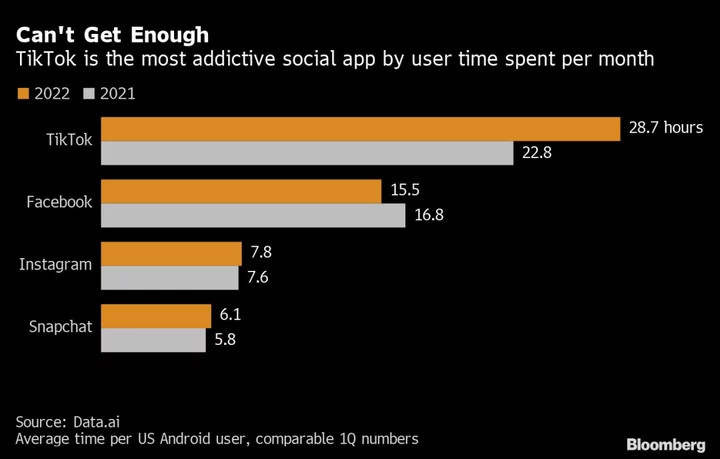
TikTok Seeks $20 Billion E-Commerce Business Despite US Setback

Amprius’ 450 Wh/kg Battery Platform Named a Finalist for a Fast Company 2023 Innovation by Design Award

Jefferies Says Banks Are Failing to Price in Water Risk