Scientists may have just found a cure for alcoholism
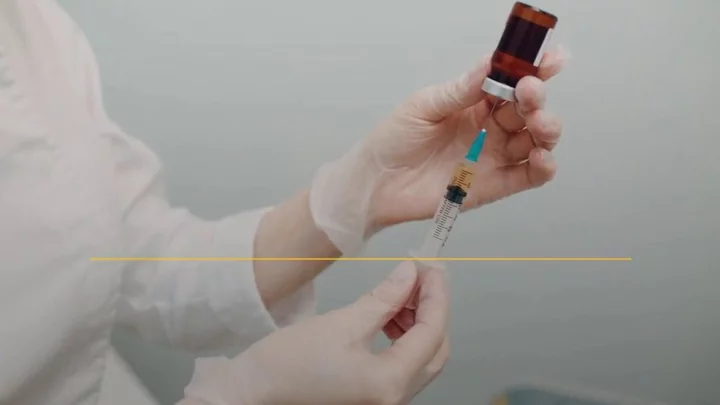
Alcohol addiction ruins millions of lives every year, but scientists may have found a cure for this terrible affliction. A new treatment for alcohol use disorder (AUD) has been trialled in monkeys with impressive results and, if these translate to human trials, the impact could be monumental. A team of neuroscientists and physiologists from across the US tested a new type of gene therapy to see if they could directly target the underlying brain circuitry associated with sustained heavy drinking. As they noted, in the journal Nature Medicine, people suffering from AUD commonly return to alcohol use even if they attempt to quit. This is largely to do with what’s known as mesolimbic dopamine (DA) signalling – meaning how the central nervous system circuit communicates the feelgood neurotransmitter dopamine. A protein called glial-derived neurotrophic factor (GDNF) is key to keeping these neurons in this reward circuitry functioning. However, experts have found that levels of GDNF are reduced in people with AUD during periods of alcohol abstinence, most notably in a region of the brain called the ventral tegmental area (VTA), as IFLScience notes. Therefore, the researchers decided to test whether using gene therapy to deliver more GDNF to the VTA could help reinforce this crucial dopaminergic signalling and prevent patients from suffering an alcoholic relapse. The team of scientists explained how alcohol consumption in non-addicts prompts the release of dopamine, creating a pleasurable buzz feeling, but chronic alcohol use causes the brain to adapt and stop releasing so much dopamine. “So when people are addicted to alcohol, they don’t really feel more pleasure in drinking,” Dr Kathleen Grant, a senior co-author of the study, said in a statement. “It seems that they’re drinking more because they feel a need to maintain an intoxicated state.” For their research, Dr Grant and her colleagues used eight rhesus macaque monkeys, who were exposed to increasing concentrations of alcohol over four 30-day “induction” periods. The monkeys then had free access to alcohol and water for 21 hours a day for six months, during which they developed heavy drinking behaviours. This was then followed by a 12-week abstinence phase, with the GDNF treatment performed four weeks in for half of the subjects. The gene therapy was delivered using a a viral vector containing a copy of the human GDNF gene injected directly into the primate’s VTA, according to IFLScience. And the results were truly jaw-dropping. “Drinking went down to almost zero,” Dr Grant said. “For months on end, these animals would choose to drink water and just avoid drinking alcohol altogether. They decreased their drinking to the point that it was so low we didn’t record a blood-alcohol level.” The most exciting aspect of their findings is the suggestion that gene therapy could offer a permanent solution for people with the most severe cases of AUD. This will be a welcome glimmer of hope to many, given that some 29.5 million people were diagnosed with AUD in the US alone in 2021, according to the National Institute on Alcohol Abuse and Alcoholism. Of these 29.5 million sufferers, almost a million (894,000) were aged between 12 and 17. It’ll likely be some time before we know for sure whether the gene therapy can be rolled out in humans, but it’s an important first step in tackling this devastating disorder. Sign up for our free Indy100 weekly newsletter Have your say in our news democracy. Click the upvote icon at the top of the page to help raise this article through the indy100 rankings.
2023-08-31 19:46

Crypto Miner Hive Drops ‘Blockchain’ From Name in Pivot to AI
The crypto-mining company formerly known as Hive Blockchain Technologies is pivoting to artificial intelligence and web3, and has
2023-07-13 01:50

A major change is coming for people who want to swear over text
Have you ever tried to swear over text, only to find that your intended expletive has been autocorrected to "ducking". Fear no more, because Apple has announced it will upgrade its autocorrect feature so people can swear away to their heart's content. “In those moments where you just want to type a ducking word, well, the keyboard will learn it, too,” said Craig Federighi, Apple’s software chief at the company’s annual Worldwide Developers Conference in Cupertino on Monday. We'll leave you to work out what word people really want to say when they end up writing "ducking"... Sign up to our free Indy100 weekly newsletter TechCrunch reported that iOS 17, which will roll out to the general public by September, will feature an upgraded autocorrect powered by AI. Over time, the AI model will learn to predict words and phrases that the iPhone user repeats, including swear words. Meanwhile, it comes as the company announced it was making a new mixed-reality headset, which caused quite the stir on social media. Big times for iPhone users and people with potty mouths, then... Have your say in our news democracy. Click the upvote icon at the top of the page to help raise this article through the indy100 rankings.
2023-06-06 17:47

These Stocks Are Moving the Most Today: Workday, Las Vegas Sands, Fluence Energy, NetApp, Jabil, and More
Workday raises its fiscal-year forecast for subscription revenue, Las Vegas Sands discloses that Miriam Adelson, the casino company's largest shareholder, has sold $2 billion of stock, and Fluence Energy surges after reporting a surprise quarterly profit.
2023-11-29 17:55
Grok vs ChatGPT: How Elon Musk’s ‘spicy’ AI compares to ‘woke’ alternatives
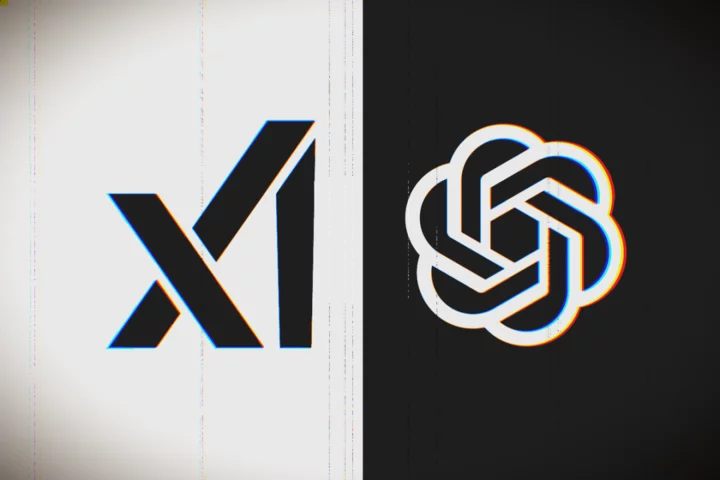
Less than eight months after discouraging companies from developing advanced artificial intelligence, Elon Musk has unveiled his answer to “woke” AI chatbots like ChatGPT. The tech billionaire claims his new Grok AI is both smarter and funnier than its rivals, offering paid users of X (formerly Twitter) the chance to ask it “spicy questions that are rejected by most other AI systems”. The X boss offered an example of how it will answer “almost anything”, sharing a screenshot of a user asking it how to make cocaine. “Grok is designed to answer questions with a bit of wit and has a rebellious streak,” a blog post announcing its launch noted. “Please don’t use it if you hate humour!” What differentiates it from OpenAI’s ChatGPT and Google’s Bard is that it has access to real-time data from X, which Mr Musk took over almost exactly a year ago. Before the takeover, AI firms were using Twitter as a data set to train its models, however the tech billionaire shut this down following the release of ChatGPT last November. Initially labelled “TruthGPT”, Grok takes its name from Robert A. Heinlein’s novel Stranger in a Strange Land, meaning understanding something thoroughly and intuitively, while the tone of its responses are modelled on the same writing style as Douglas Adams’s Hitchhiker’s Guide to the Galaxy. But with X as its training set, Grok risks mimicking the same misinformation and toxic discourse that has plagued the platform since before Musk’s takeover. Not only does it adopt a more informal tone to its rivals, Grok also appears to have less safety filters preventing it from answering questions about sensitive topics. Despite claiming that Grok outperforms ChatGPT, which is freely available, xAI did acknowledge that it does not yet match the capabilities of OpenAI’s more powerful GPT-4 model – which carries a similar monthly fee to Grok. In its own in-house tests, xAI graded Grok against GPT-4 on the 2023 Hungarian national high school finals in mathematics. Grok passed the exam with a mark of 59 per cent, while GPT-4 scored 68 per cent. In March this year, Mr Musk was among hundreds of leading tech figures to add their name to an open letter calling on all AI labs to pause the training of AI systems. The letter warned that artificial intelligence with “human-competitive intelligence” could pose “profound risks to society and humanity”, potentially leading to the loss of control of human civilisation and even its extinction. This letter of discouragement looks increasingly like a plea to allow his own companies – which include the newly formed xAI – to catch up. Just weeks before signing it, Mr Musk was approaching AI researchers to form xAI, with the explicit intention of taking on ChatGPT. The world’s richest person had been instrumental in the formation of OpenAI in 2015 but cut ties after it became a for-profit endeavour. His team included researchers from OpenAI and Google’s DeepMind, who had experience in developing large language models (LLMs) that power AI chatbots. The reason he cited for creating his own chatbot was due to apparent fears that these tech companies were creating “woke” AI systems. “The danger of training AI to be woke – in other words, lie – is deadly,” he tweeted last December in reply to a post by OpenAI chief executive Sam Altman. The new chatbot fits in with Musk’s broader goals that he is hoping to achieve with his other companies, including SpaceX’s mission to transform humanity into a multi-planetary species “Unless the woke mind virus, which is fundamentally anti-science, anti-merit, and anti-human in general, is stopped, civilisation will never become multiplanetary,” Mr Musk said. In justifying why it built Grok, xAI said its goal was to create a tool that “maximally benefits all of humanity”. The blog post explained: “We believe that it is important to design AI tools that are useful to people of all backgrounds and political views.” Read More How Elon Musk’s ‘spicy’ Grok compares to ‘woke’ ChatGPT Musk shares cocaine recipe in effort to prove Grok AI is ‘rebellious’ Elon Musk unveils new sarcasm-loving AI chatbot for premium X subscribers 10 ways AI will change the world – from curing cancer to wiping out humanity Musk shares cocaine recipe in effort to prove Grok AI is ‘rebellious’
2023-11-07 18:21
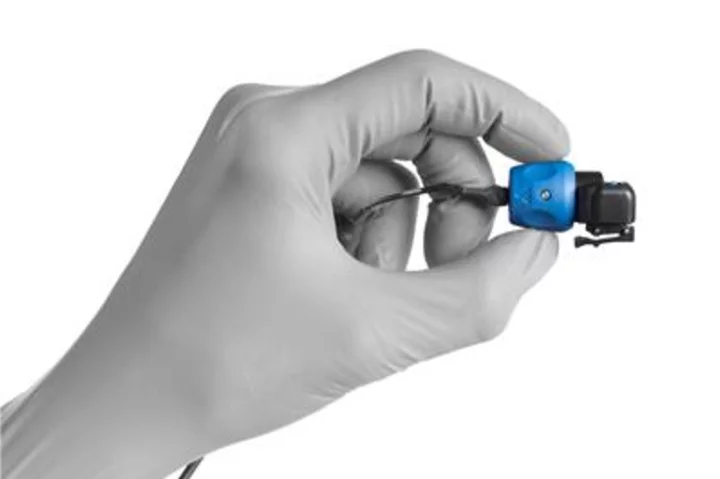
Viseon Inc. Announces Commercial Rollout and Initial Clinical Use of the 4K MaxView® System for Advanced Digital Visualization during Minimally Invasive Spine Surgery
IRVINE, Calif.--(BUSINESS WIRE)--Aug 15, 2023--
2023-08-15 20:22
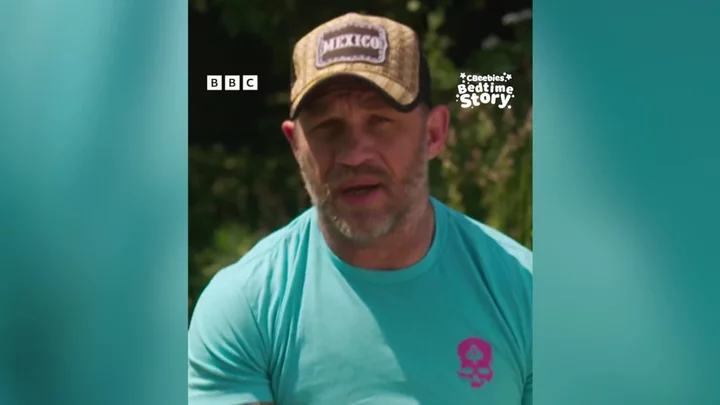
Watch Tom Hardy read a CBeebies bedtime story to celebrate 75 years of the NHS
Thousands are getting ready to tune into CBeebies tonight (5 July) - even if they don't have kids - as Tom Hardy is back for another Bedtime Story. The actor is celebrating 75 years of the NHS with a rendition of Zog and the Flying Doctors by Julia Donaldson and Axel Scheffler. "Brilliant people like nurses and doctors can help us feel better. And many others, with exciting sounding jobs like radiographers and paramedics.", he reads in a clip shared by the channel. "So, I'm going to read you a story all about a very special team of magnificent people, and a dragon! " He's previously made a number of appearances on the segment. Sign up to our new free Indy100 weekly newsletter
2023-07-05 19:49

Call of Duty to remain on Playstation following Activision Blizzard Microsoft merger
Microsoft has signed an agreement with Sony to ensure "Call of Duty" remains available on PlayStation after Microsoft closes its $69 billion Activision Blizzard merger, the tech giant said Sunday.
2023-07-16 23:15

Top 5 YouTubers who are making a mark on Instagram's Threads
Top streamers and YouTubers on Threads captivate audiences with compelling content in the battle for social media attention
2023-07-09 12:47

Wes Anderson actor slams 'bulls**t' Lord of the Rings AI parody of the director
The actor Jared Gilman, best known for his role in Wes Anderson's 2012 film Moonrise Kingdom has branded a new AI trend surrounding the director as "bulls**t." If you aren't aware, a YouTube channel called Curious Refuge has been using artificial intelligence to create trailers for famous movies but reimagining them as if they were directed by Anderson in his typical whimsical aesthetic. Earlier this month a version of Star Wars directed by Wes Anderson went viral and immediately caused some division with many fans wishing it was a real movie while others felt that the trailer missed the point of what makes Star Wars and Anderson movies great. Sign up to our new free Indy100 weekly newsletter Now Curious Refuge have used AI to imagine what a Wes Anderson Lord of the Rings film would be like. The trailer called 'The Whimsical Fellowship' features all your favourite Tolkien characters but this time they are played by the likes of Timothee Chalamet, Ben Stiller, Bill Murray, Tilda Swinton and Owen Wilson to name a few. Lord of the Rings by Wes Anderson Trailer | The Whimsical Fellowship www.youtube.com While the clip has already gone viral again, 24-year-old Gilman, who has also starred in the Jim Jarmusch film Paterson wasn't as enthusiastic about it. He tweeted a version of the Return of the King title and instead changed it to read 'Return of the Wes Anderson AI bulls**t.' Gilman's tweet also went viral and one person asked him: "I'm assuming he texts you every time one of these comes out asking 'have u seen this?'" The actor replied: "Lmao I hope he never sees any of them." Meanwhile, Anderson's next real film Asteroid City is set for release on June 23rd and stars Tom Hanks, Margot Robbie, Scarlett Johansson, Maya Hawke and Jason Schwartzman. Have your say in our news democracy. Click the upvote icon at the top of the page to help raise this article through the indy100 rankings.
2023-05-11 23:49

Cryptocurrencies Jump on Ripple Token Ruling Seen as Victory by Industry
Cryptocurrencies rallied as digital-asset advocates touted a ruling from a federal judge in the US Securities and Exchange
2023-07-14 02:52

ChatGPT update allows anyone to make their own personalised AI assistant
OpenAI has unveiled a major new update for its popularAI chatbot, allowing anyone to create their own personalised version of ChatGPT. The purpose-built artificial intelligence is “designed for flexibility”, according to the company, allowing people to create anything from an AI-powered holiday planner, to a voice-controlled DJ. “Eventually you’ll just ask the computer for what you need, and it’ll do all of these tasks for you,” OpenAI chief executive Sam Altman said during a keynote speech at the firm’s first developer conference in San Francisco on Monday. Users will be able to publish their unique versions of the AI bot onto a marketplace called the GPT Store, where other users can download and use them. The new feature is one of several new abilities of the viral AI chatbot, with its training data now running until April 2023 instead of the previously limited version whose knowledge ended in 2021. “We really believe that gradual iterative development is the best way to address the safety challenges of AI,” Mr Altman said. “We think it’s especially important to move carefully towards this future.” The tech boss also revealed that ChatGPT now has more than 100 million weekly active users, including two million developers who use the platform. The updates come amid growing competition from other tech firms like Google and Meta, which have launched their own versions of the AI chatbot in the year since ChatGPT was released. The most recent arrival is Grok, launched over the weekend by Elon Musk’s new artificial intelligence startup xAI. Mr Musk claims that his AI chatbot – which is currently only available for paying subscribers of X (formerly Twitter) in the US – can outperform its rivals in certain areas due to real-time access to data from the social media platform. “Grok is designed to answer questions with a bit of wit and has a rebellious streak, so please don’t use it if you hate humour,” a blog post introducing the new AI noted. “A unique and fundamental advantage of Grok is that it has real-time knowledge of the world via the X platform. It will also answer spicy questions that are rejected by most other AI systems.” Read More 10 ways AI will change the world – from curing cancer to wiping out humanity How Elon Musk’s ‘spicy’ Grok compares to ‘woke’ ChatGPT ChatGPT and other chatbots respond to emotions, report says ‘Is AI dangerous?’ UK’s most Googled questions about artificial intelligence
2023-11-07 19:29
You Might Like...

A red Mario-themed Nintendo Switch OLED drops in October — here's how to preorder

Roborock's S8 series vacuums haven't even been out for 2 months, but they're already on sale

Biden Braces for Canadian Smoke in High-Profile Chicago Visit

Toyota, Idemitsu tie up to mass-produce all-solid-state batteries
Why Chip Makers Favor Arizona

Masimo Expands Into the Personalized Hearables Market with Denon PerL™ True Wireless Earbuds, Featuring Masimo Adaptive Acoustic Technology™ (AAT™)

The EU Is Leading the Charge on AI Regulation: Big Take Podcast

UK Government Steps Up Drought Planning as Temperatures Rise