

More than half of Americans have experienced online harassment, says ADL report
The last year has seen a record-breaking increase of online hate and harassment for many
2023-06-30 00:55

Island Boys called out by fans for sharing more disturbing intimate content
The Island Boys have sparked further backlash after pushing more inappropriate content that has disturbed fans. The twin sibling rappers, Kodiyakredd and Flyysoulja, whose real names are Franky and Alex Venegas first rose to fame in 2021 thanks to their viral track 'I’m An Island Boy' becoming a hit on TikTok. Now, they are instead turning heads for some questionable OnlyFans content that includes footage of them kissing, sparking backlash. Weeks later, Flyysoulja came out as gay. The brothers have continued to share controversial content, hinting at a NSFW intimate act between the two, but it is suspected that it may not be what it first appears. In a since-deleted video posted on the No Jumper Instagram page, a screenshot appeared to show Flyysoulja taking a selfie in the mirror. In the picture, his brother crouched by his crotch area suggesting that a sexual act was taking place. A large emoji was placed over the intimate area. Sign up to our free Indy100 weekly newsletter The screenshot comes from a video posted by Flyysoulja onto social media platform X (formerly Twitter) that was captioned: “He got skills.” The video showed Kodiyakredd with an object that looked like a carrot or a hot dog, suggesting the video was a prank to trick fans and thankfully revealed he was not near his brother’s genitals. Many were shocked by the Instagram screenshot and suggested that it was a bizarre prank to pull, even if it was fake. One person wrote: “Even if this is fake why on earth would you do thi… never mind.” “Man, what the !!” said another person. “I had to close my phone and throw it away after this dawg”. It seems that Flyysoulja isn’t shy about sharing his junk on the internet, as he recently sparked backlash for exposing himself during a live Kick stream with Adin Ross. Ross reacted: “Alright, that was insane, dude. I can’t believe he just did that. On my life, that was disgusting. On my f**king life. Wow, bro. That is insane. That is beyond crazy.” Have your say in our news democracy. Click the upvote icon at the top of the page to help raise this article through the indy100 rankings.
2023-08-08 19:58

Microsoft changes its takeover of Call of Duty developer in attempt to get it approved
Microsoft has made a major change to its proposed takeover of the developer of Call of Duty, in yet another attempt to get it completed. The company is hoping to buy Activision Blizzard for $69 billion, or £54 billion, in what would be one of the biggest sales ever. But it has faced intense regulatory scrutiny, including by the UK’s Competition and Markets Authority, which has looked to block the deal. Now it has said that it has sent a fresh proposal for how the takeover would work in an attempt to convince the CMA that the deal should go ahead. But it has stressed that there is still no “green light” for the deal. It came as the regulator confirmed on Tuesday that Microsoft‘s original plan to buy the computer games company “cannot proceed”. Under the new proposal, Microsoft would sell off its rights to offer games via the cloud for new or existing Activision PC or console games for the next 15 years outside the European Economic Area (EEA). It will instead sell those rights to Ubisoft, a rival developer known for the Assassin’s Creed and Far Cry games series. This is designed to ensure that gamers have access to Activision Blizzard’s games, even on consoles and computers not made by Microsoft. The CMA will now launch a new probe into this deal, a so-called Phase 1 investigation. CMA chief executive Sarah Cardell said: “The CMA has today confirmed that Microsoft‘s acquisition of Activision, as originally proposed, cannot proceed. “Separately, Microsoft has notified a new and restructured deal, which is substantially different from what was put on the table previously “This is not a green light. We will carefully and objectively assess the details of the restructured deal and its impact on competition, including in light of third-party comments.” Microsoft president Brad Smith said: “Under the restructured transaction, Microsoft will not be in a position either to release Activision Blizzard games exclusively on its own cloud streaming service, Xbox Cloud Gaming, or to exclusively control the licensing terms of Activision Blizzard games for rival services.” It marks a new twist in the case, the biggest fight the CMA has taken on since gaining new post-Brexit powers. At one point the case looked like as though it would only end after a court battle. In January 2022 Microsoft announced that it planned to buy Activision Blizzard, the company behind the Call Of Duty and World Of Warcraft games, for an eye-watering sum. When the UK was still an EU member, a deal of that size would have been assessed by regulators in Brussels. But after Brexit the CMA now has the power to investigate such deals itself. Although both companies are American, both have significant businesses in the UK so their tie-up could have a significant impact on competition here. Activision Blizzard chief executive Bobby Kotick said: “For us, nothing substantially changes with the addition of this divestiture: our merger agreement with Microsoft, closing deadline, and the cash consideration to be paid for each Activision Blizzard share at closing remain the same. “We will continue to work closely with Microsoft and the CMA throughout the remaining review process, and we are committed to help Microsoft clear any final hurdles as quickly as possible. “This has been a longer journey than expected, and I am very proud of how focused everyone has remained on delivering great games.” Additional reporting by agencies Read More Meta could finally launch Threads feature everyone is waiting for Japanese scientists hoping for a message from alien life imminently iPhone 15 could bring two major changes to fix battery life Meta could finally launch Threads feature everyone is waiting for Japanese scientists hoping for a message from alien life imminently iPhone 15 could bring two major changes to fix battery life
2023-08-23 00:47

The Asian Retailer Outgunning Amazon And Walmart in South Africa
Shein is the most downloaded shopping app on South Africa’s Google Play store. And it isn’t even trying
2023-08-19 14:17

McCoy’s Building Supply Deploys Badger Technologies Autonomous Robots to Improve On-Shelf Availability and Price Integrity of Retail Hardware Products
NICHOLASVILLE, Ky.--(BUSINESS WIRE)--Aug 8, 2023--
2023-08-08 20:54
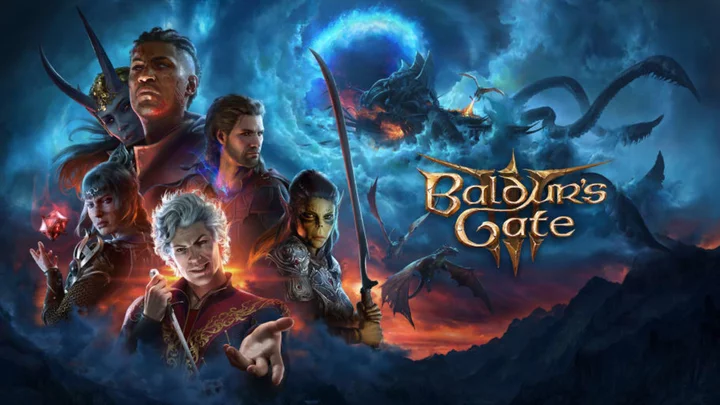
Baldur's Gate 3 Incompatible Version: How to Fix
Baldur's Gate 3 players are having problems loading their saves. Here are all the details on the latest bug.
2023-08-17 23:26

Vanderbilt University Conducts Groundbreaking Study to Uncover Cause of Phantom Traffic Jams
CHELMSFORD, Mass.--(BUSINESS WIRE)--Jun 14, 2023--
2023-06-14 22:23

Keke Palmer Is Zenni’s Newest Brand Ambassador, Stars In New “Find Your Frame of Mind” Campaign
NOVATO, Calif.--(BUSINESS WIRE)--Jul 10, 2023--
2023-07-10 23:23

Instagram down: Website stops working as users pictures refuse to load
Instagram has stopped working properly, with the website’s app refusing to load properly. The desktop version of the app went offline on Friday morning, with an array of users unable to get online. But the problems appeared to be focused on that website, rather than the more popular mobile app.
2023-06-09 16:53
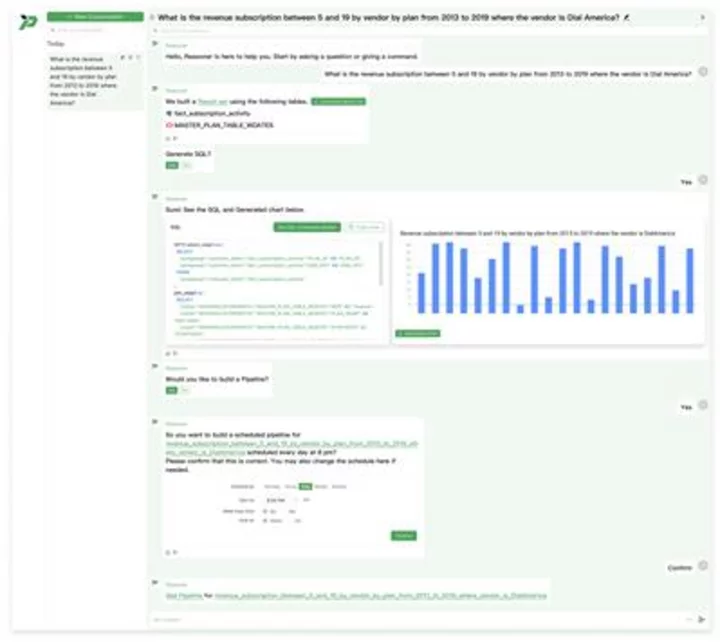
Promethium Brings the Power of Generative AI to the Data Fabric
MENLO PARK, Calif.--(BUSINESS WIRE)--Jun 14, 2023--
2023-06-15 03:22

ChatGPT can now hear, see and speak as OpenAI gives the chatbot its most humanlike update
You can now speak aloud to ChatGPT and hear the artificial intelligence-powered chatbot talk back.
2023-09-26 02:58
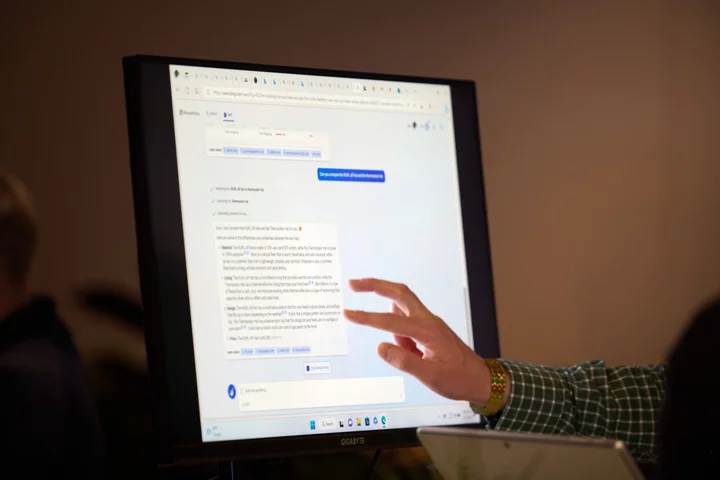
Microsoft Is Bringing OpenAI’s GPT-4 AI model to US Government Agencies
Microsoft Corp. will make it possible for users of its Azure Government cloud computing service, which include a
2023-06-07 21:23
You Might Like...
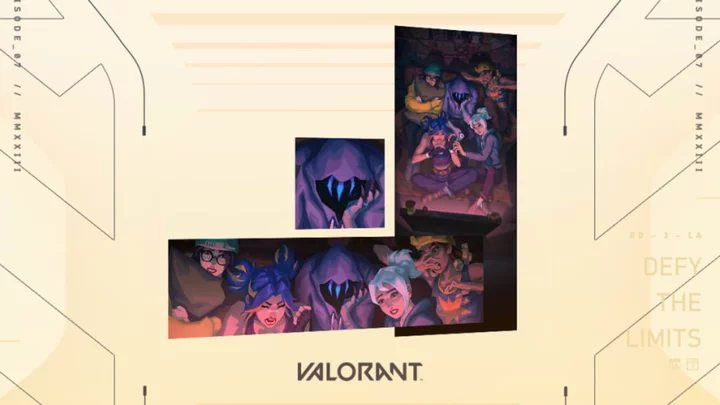
Valorant Scare Tactics Player Card: How to Get for Free
Industries Stuck in ‘Transition Traps’ Get Support From UN
Biden Wishes His Signature Climate Law Was Called Something Else
Tristan Tate calls for Revolut app's boycott after accusing it for hoarding $700k and canceling him, trolls say 'you got rugged'
Alix Earle criticized for overordering and wasting huge pile of food: ‘You could feed everyone in Hamptons’
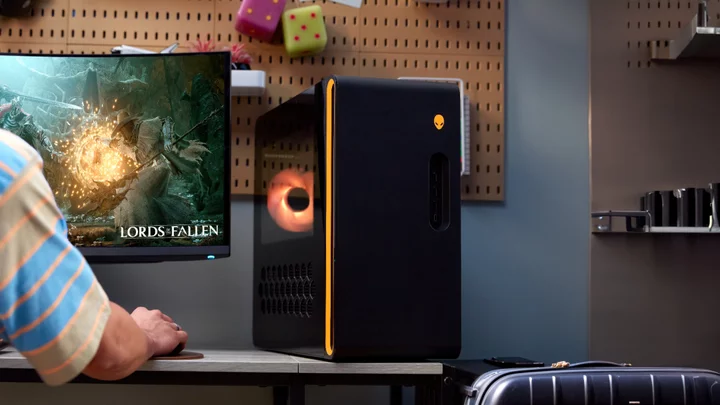
First Look: Alienware's 2023 Aurora R16 Gets a New, Down-to-Earth Design
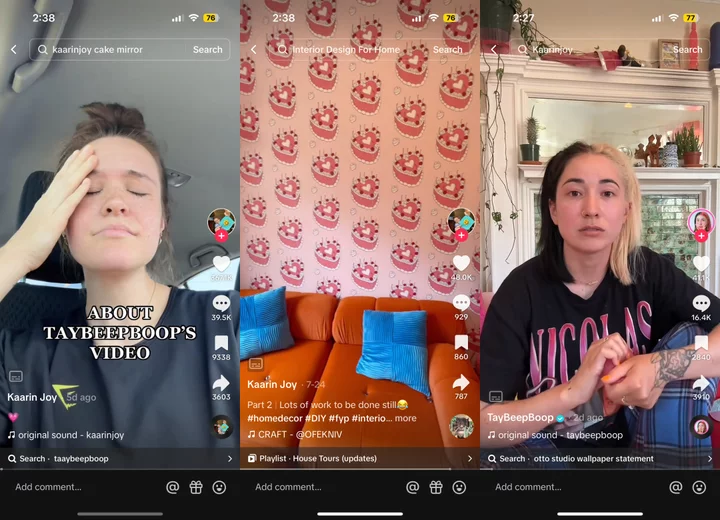
What the hell is going on with maximalism design TikTok?

China Chip Firms Surge on Report of Technology Breakthrough